What touchscreen-behaviour research measured for authentication
A 2014 laboratory study explored whether routine taps and swipes could help recognise a device’s current user.
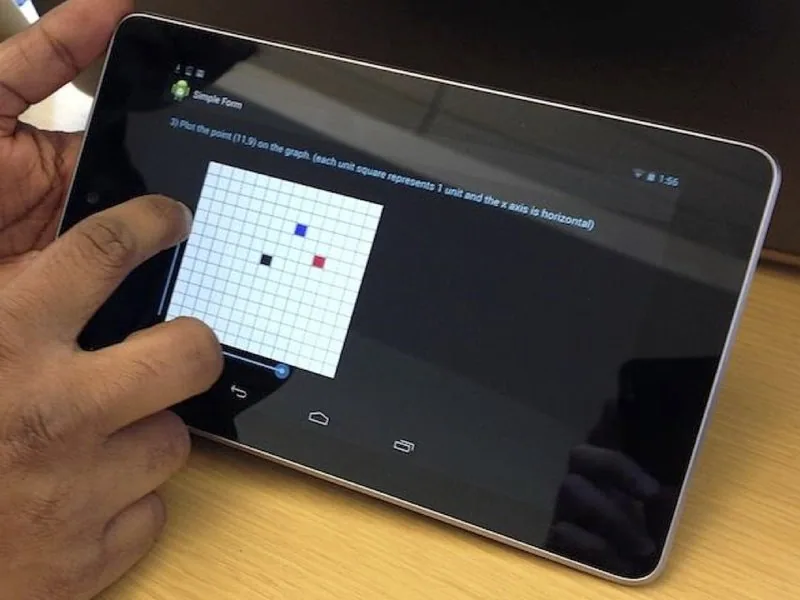
The LatentGesture project explored continuous authentication using touchscreen interaction. Participants filled out electronic forms on a phone or tablet. The research team compared patterns in their input, including where touches landed and how pressure changed. The study looked at whether a classifier could distinguish a person while they were already using the device.
That question differs from checking a passcode at sign-in. It also brings different expectations. A system that keeps reading touches must decide what it should do when the person is wearing gloves, holds the phone differently, or gives it briefly to someone else. A useful evaluation needs to report how often ordinary use is interrupted as well as how often a mismatch is noticed.
The published experiment involved 20 participants in a laboratory. It is useful as an account of one experiment with behavioural biometric signals. Assess a later deployment using its own testing conditions, its stated data-retention practices and the steps available when the system rejects the legitimate user.