The iPhone 5 transition to LTE and Lightning
The iPhone 5 is a case study in how a phone upgrade can change both mobile-network compatibility and the accessories people use.
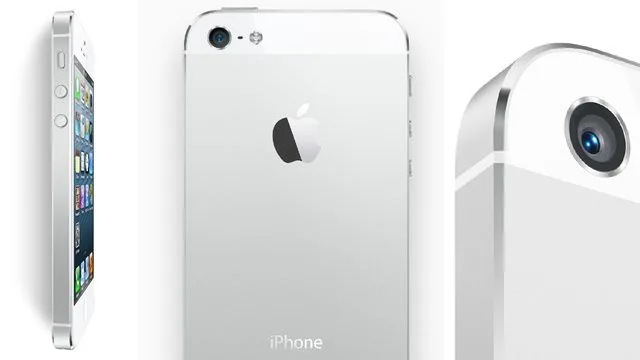
The iPhone 5 arrived in 2012 with LTE support, a four-inch display and a new Lightning connector. The screen had room for more vertical content, while the connector change mattered to owners who used docks or chargers built for the earlier 30-pin connector. The changes were visible even when the device was offline.
The network upgrade was less uniform. Apple published more than one model variant and specified different LTE band combinations for them. People comparing two handsets with the same retail name could see different support for a particular carrier’s LTE service. The technical specifications for the model number were more useful than a general claim of LTE compatibility.
For owners documenting or restoring older iPhones now, that model distinction still helps explain original service limits. Check the connector separately from mobile service and look for a data cable if the phone needs to communicate with a computer. Charging support does not guarantee that an accessory will support audio, data or older dock functions.