How Bluetooth beacons can label an indoor location
Indoor Bluetooth beacons can help an app recognise an area. Their identifiers and radio strength serve different roles.
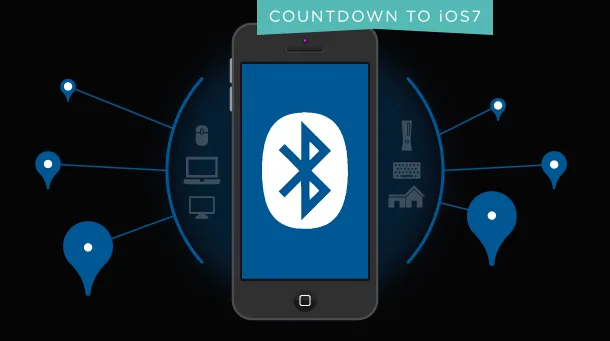
A Bluetooth Low Energy beacon can periodically advertise an identifier. With an installation such as iBeacon, an app can use identifiers to match a beacon with a particular site or area. An organiser might use a common identifier for one venue and separate values for different rooms or exhibits.
The radio reading is useful for a rough proximity estimate. It can vary as people walk past the device or a phone changes orientation. Indoor navigation software therefore needs a plan for readings that fluctuate near doorways. A display can show the approximate room and retain the last stable update, for example, while the device moves between two areas.
A beacon sends its identifier without necessarily connecting to each passing phone. The app decides how to interpret the broadcast, and its account or analytics settings determine what the service may retain. In a workplace or public venue, describe the function to visitors and explain whether their app records or sends any location event.